Introducing Yourself to Vehicle Controls: A Guide for Beginners
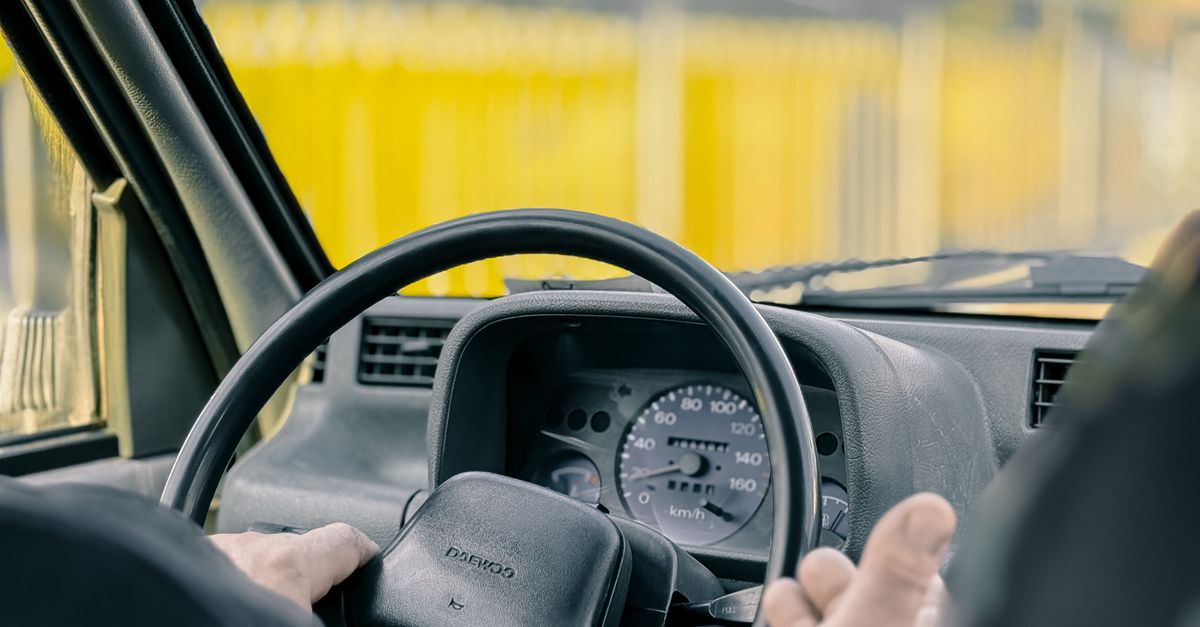
Table Of Contents
Dashboard Instruments and Indicators
The dashboard of a vehicle serves as the primary interface between the driver and the car's systems. It displays crucial information, such as speed, fuel level, engine temperature, and odometer readings. Familiarising yourself with these instruments is essential for safe driving. Each gauge has a specific function, helping you monitor your vehicle's performance and overall health. Proper attention to these indicators can help detect potential issues before they escalate, ensuring a smoother driving experience.
In addition to the standard gauges, dashboard lights play a vital role in conveying important alerts. These warning lights activate to signal potential problems, such as low oil pressure or a malfunctioning battery. Understanding what each symbol means allows drivers to respond promptly to issues as they arise. A proactive approach to dashboard information not only enhances safety but also contributes to the longevity of your vehicle. Knowing when to take action can prevent minor concerns from becoming significant repairs.
Common Dash Symbols and Their Meanings
The dashboard of a vehicle is equipped with various symbols designed to inform drivers of crucial information at a glance. Common symbols include the engine warning light, which indicates a malfunction within the engine or its associated systems. The battery warning light signals potential issues with the vehicle's charging system, while the oil pressure warning light prompts immediate attention to oil levels or pressure. Understanding these symbols can help prevent minor issues from escalating into major problems.
Another important indicator is the tyre pressure monitoring system light, which alerts drivers to low tyre pressure that may affect vehicle handling and safety. The anti-lock braking system (ABS) warning light can indicate a fault in the braking system, stressing the importance of maintaining excellent brake performance. Familiarising oneself with these common dash symbols not only enhances awareness but also contributes to safer driving practices.
Windshield Wipers and Lights
Understanding how to use your windshield wipers can significantly improve visibility during inclement weather. Most vehicles feature controls located on the stalk near the steering wheel. These typically allow you to adjust the wipers' speed and interval, accommodating different levels of rainfall. Familiarising yourself with these controls can help maintain a clear view of the road, ensuring safer driving conditions.
Headlights play a crucial role in safe driving, especially during low-light conditions or adverse weather. It’s important to know when to switch between high and low beams. Using high beams in areas without oncoming traffic can enhance visibility but should be dimmed in the presence of other vehicles to avoid blinding other drivers. Checking your headlights regularly for functionality is essential, as proper lighting is key to both your safety and the safety of others on the road.
Operating Visibility Enhancements
Clear visibility is essential when driving, especially during adverse weather conditions. Windshield wipers play a vital role in maintaining a clear view of the road ahead. Most vehicles are equipped with adjustable wipers that allow you to control the speed according to the intensity of the rain. Ensure you are familiar with the wiper settings, as using them effectively can significantly enhance your safety while driving in wet conditions.
In addition to wipers, headlights improve visibility during low-light conditions and in fog. They typically have different settings, including high beam and low beam, allowing you to adapt to various driving situations. Remember to use low beams in fog, as high beams can reflect off the fog and reduce visibility further. Regularly check that your headlights are functioning correctly to ensure you can see and be seen when it matters most.
Using the Indicators and Horn
Indicators play a crucial role in safe driving. They notify other road users of your intended movements. When turning or changing lanes, activating your indicator well in advance provides ample warning. This simple action helps prevent misunderstandings and potential accidents. It also allows other drivers and pedestrians to anticipate your actions, contributing to smoother traffic flow.
The horn serves as an additional safety feature, providing a way to alert others to your presence. Its sound can draw attention in situations where visual indicators alone may not suffice. Use the horn wisely and avoid unnecessary honking, as excessive use can lead to confusion or irritation among other drivers. Learning when and how to use both the horn and indicators effectively enhances safety on the road for everyone.
Importance of Signalling While Driving
Signalling while driving is crucial for maintaining a safe and predictable environment on the road. It allows other drivers, cyclists, and pedestrians to anticipate your movements. When you indicate your intentions, you contribute to a culture of awareness and cooperation among all road users. This practice can significantly reduce the chances of collisions, as it clearly communicates your plans to others.
Neglecting to signal can lead to confusion and misunderstandings, potentially resulting in dangerous situations. A simple flick of the indicator lever can make a significant difference in how smoothly traffic flows. It is not just a legal requirement but an essential habit to develop for any novice driver. Emphasising the importance of signalling fosters responsibility and care, underscoring the need for clear communication in driving practices.
FAQS
What are the most important dashboard instruments I should be aware of?
The most important dashboard instruments include the speedometer, fuel gauge, engine temperature gauge, and warning lights, which alert you to any issues with the vehicle.
What do common dash symbols mean?
Common dash symbols can indicate various vehicle functions, such as low fuel, engine overheating, battery issues, and the need for maintenance. It's essential to refer to your vehicle's manual for exact meanings.
How do I operate the windshield wipers and lights?
Windshield wipers and lights are typically controlled by levers or switches located on or around the steering wheel. You can adjust the speed of the wipers and switch between different lighting modes, such as low and high beams.
Why is it important to signal while driving?
Signalling is crucial for safe driving as it informs other drivers of your intentions, reducing the risk of accidents and ensuring smoother traffic flow.
What should I do if a dashboard warning light comes on while I'm driving?
If a dashboard warning light comes on, it's important to stay calm. Refer to your vehicle’s manual to understand the warning, and if it indicates a serious issue, find a safe place to pull over and address the problem or seek professional assistance.
Related Links
The Importance of Setting Realistic Goals for New DriversHow to Choose the Right Driving Instructor for Your Needs
Tips for Overcoming Nervousness Before Your First Lesson
Key Terminology Every New Driver Should Know
How to Dress Comfortably for Your First Driving Lesson
Preparing Mentally and Physically for Your First Driving Experience
What to Expect on Your First Driving Lesson
Essential Documents You Should Bring to Your Driving Lesson
Understanding the Structure of Your First Driving Lesson